Direct Injection Carbon Build Up: How to Prevent It
Automakers have long praised fuel injection for boosting efficiency and power, yet roughly 73 percent of new cars now with the system face a growing issue: carbon buildup on intake valves after as little as 20,000 miles. This build-up stems from incomplete combustion, a fact of life for any gasoline engine, but it occurs most severely in direct-injection (DI) setups where the fuel never washes over the intake valves.
From Port Injection to Direct Injection
Early systems used port injection. Injectors above the intake valve that mist fuel into the intake port give the mixture extra time to vaporize and self-clean the valve. In 2004, gasoline-engine DI arrived on the Audi A6, unleashing higher compression ratios and up to 65 more horsepower compared with port injection, since the fuel cools the combustion chamber and allows more aggressive tuning.
Why DI Engines Accumulate Carbon
Because DI skips that valve-washing step, unburned oil vapors and fuel residues cling to the back of intake valves and form hard deposits over time. Port-wash protection is gone, and high-pressure injectors themselves can foul, especially when cars see lots of short trips and never get fully warmed up. Some manufacturers mitigate this by combining port and direct injectors on each cylinder, using port injectors at low loads and DI when extra power is needed.
Active Steps to Keep Valves Clean

Oil Catch Cans
Trap oil mist and unburned fuel before it reaches the intake tract, reducing the raw material for carbon deposits.

Limit Short Runs
Frequent cold starts and fuel-rich warm-ups worsen buildup; aim for longer drives that let the engine reach full operating temperature.

“Italian Tune-Up”
Occasionally revving the engine through its full RPM range helps burn off lighter deposits.

Fuel-System Additives
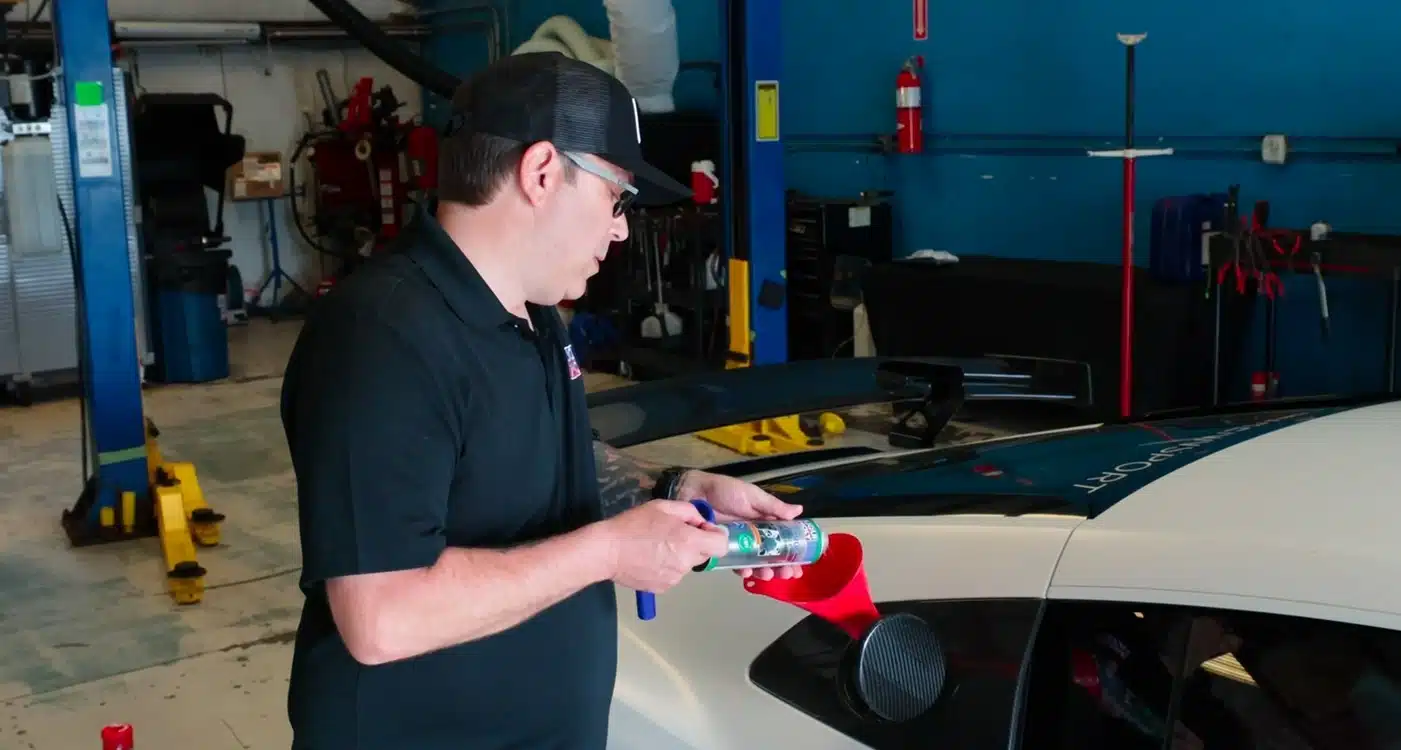
Regular use of a GDI-specific cleaner like LIQUI MOLY DIJectron keeps injectors and valves free of carbon. DIJectron optimizes exhaust emissions, protects against corrosion, and reduces LSPI risk, all in one 300 ml can, treating up to 70 liters of fuel.

In severe cases, valves can be cleaned manually by disassembling the intake tract, but in almost all routine maintenance scenarios, catch cans and the right additive prevent costly teardown and restore performance without shop time.
Schedule your next Euro or Exotic Car Service at Bavarian Rennsport in Jacksonville, Florida today.
Book Appointment
Please be advised that in the event of any unexpected wait time other clients' vehicles may take longer than expected to diagnose and treat so unfortunate delays do occur. We will get to your vehicle as soon as possible.




 Email Us
 (904) 270-9390